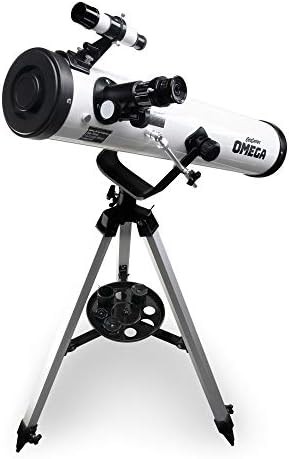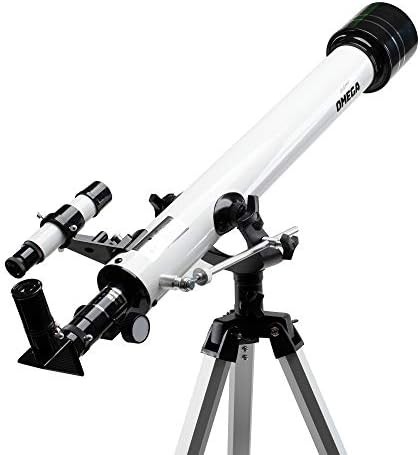
Youth Focused Design
These are built specifically for children aged 8 to 12.
Designed for young explorers, these refractor and reflector models make stargazing and planet viewing simple for kids
These are built specifically for children aged 8 to 12.
The range includes both refractor and reflector telescope options.
These models are easy for kids to handle and move.
This set features the GeoSafari line, including 60 mm refractor models and reflector options. These telescopes are optimized for viewing the moon and nearby planets with simple controls.
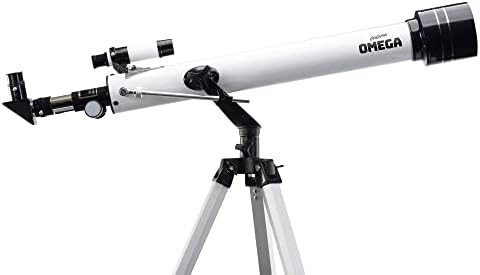
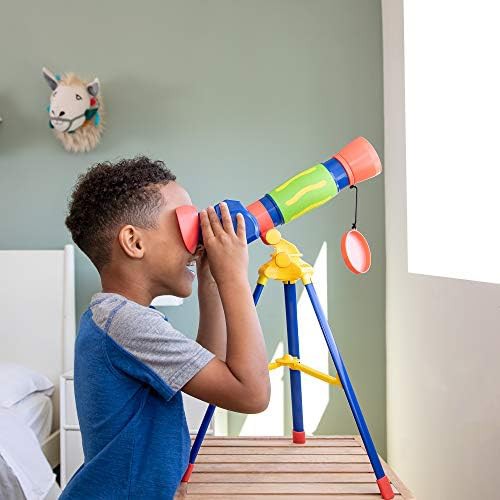
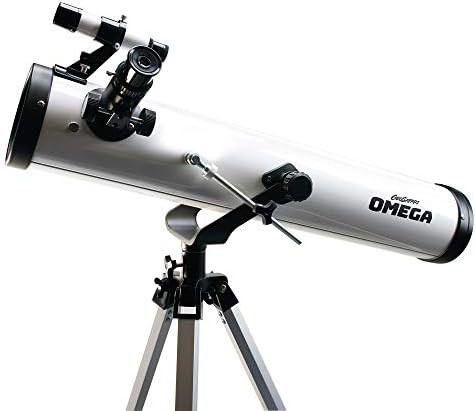
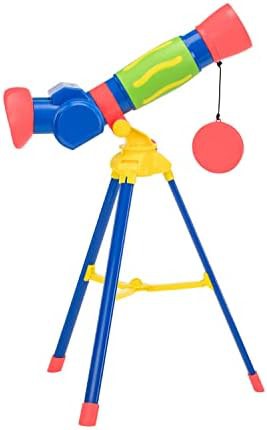
The range includes For beginners, Refractor telescopes, For kids, For moon viewing — the types these titles actually list.
What you get is what the titles name. Sample models: Omega 60mm refractor for young beginners; Omega 700mm reflector for deep sky; My first telescope for early learners.
For beginners, Refractor telescopes, For kids, For moon viewing is the split that matters in this Educational Insights range.
3 telescopes listed here give you a side-by-side on For beginners, Refractor telescopes, For kids, For moon viewing.
Ranges For kids For beginners
My 8-year-old can set up the GeoSafari Omega refractor all by herself.
The 60 mm lens is just right for looking at the moon's surface from our balcony.
It is a great first telescope that isn't too complicated for a child to enjoy.
These telescopes are primarily designed for kids, specifically those in the 8 to 12 age range. There are also 'My First Telescope' models for even younger beginners.
Yes, these are designed for both stargazing and planet viewing. They provide enough power for children to see the moon and bright planets.
This set includes the Omega Refractor, which uses lenses, and the Omega Reflector, which uses mirrors. Both are built for beginner use.
Yes, the 60 mm aperture is specifically designed to provide clear views of the moon for young students. It is a high-powered option for its size.